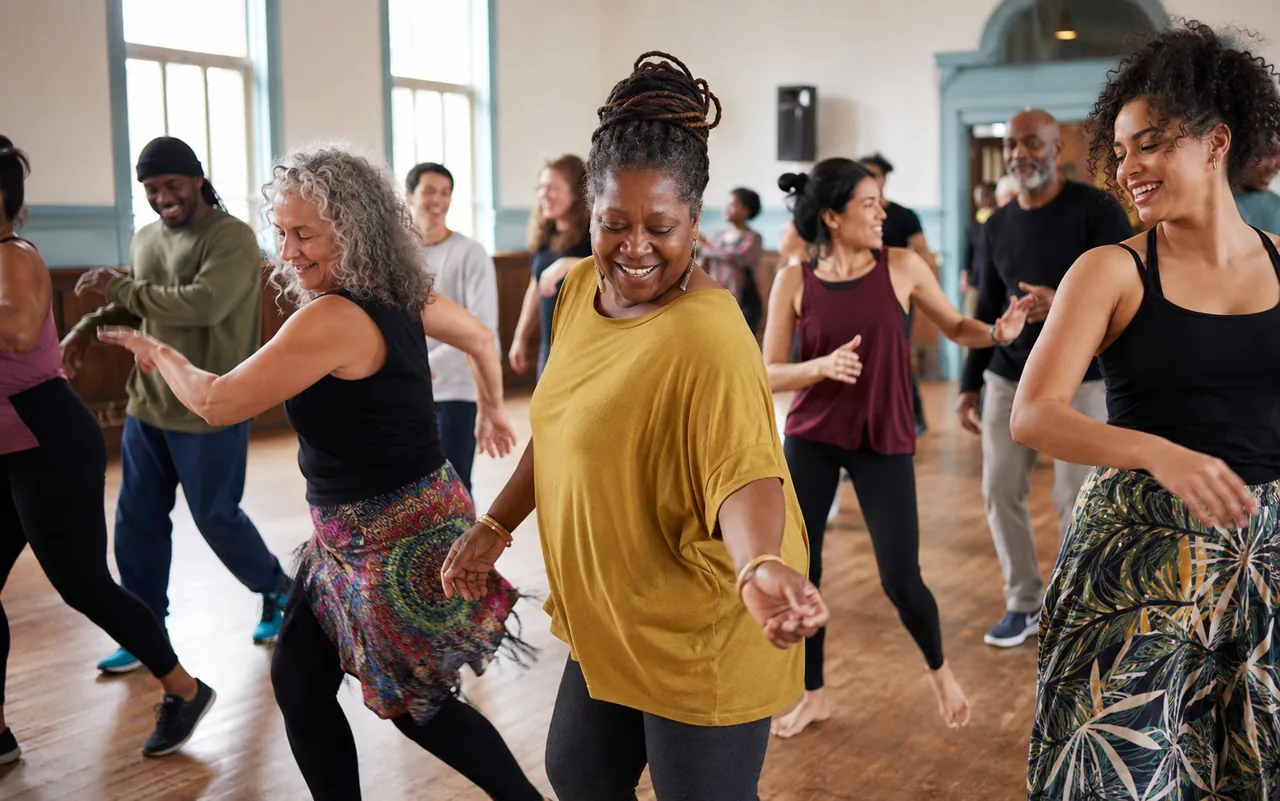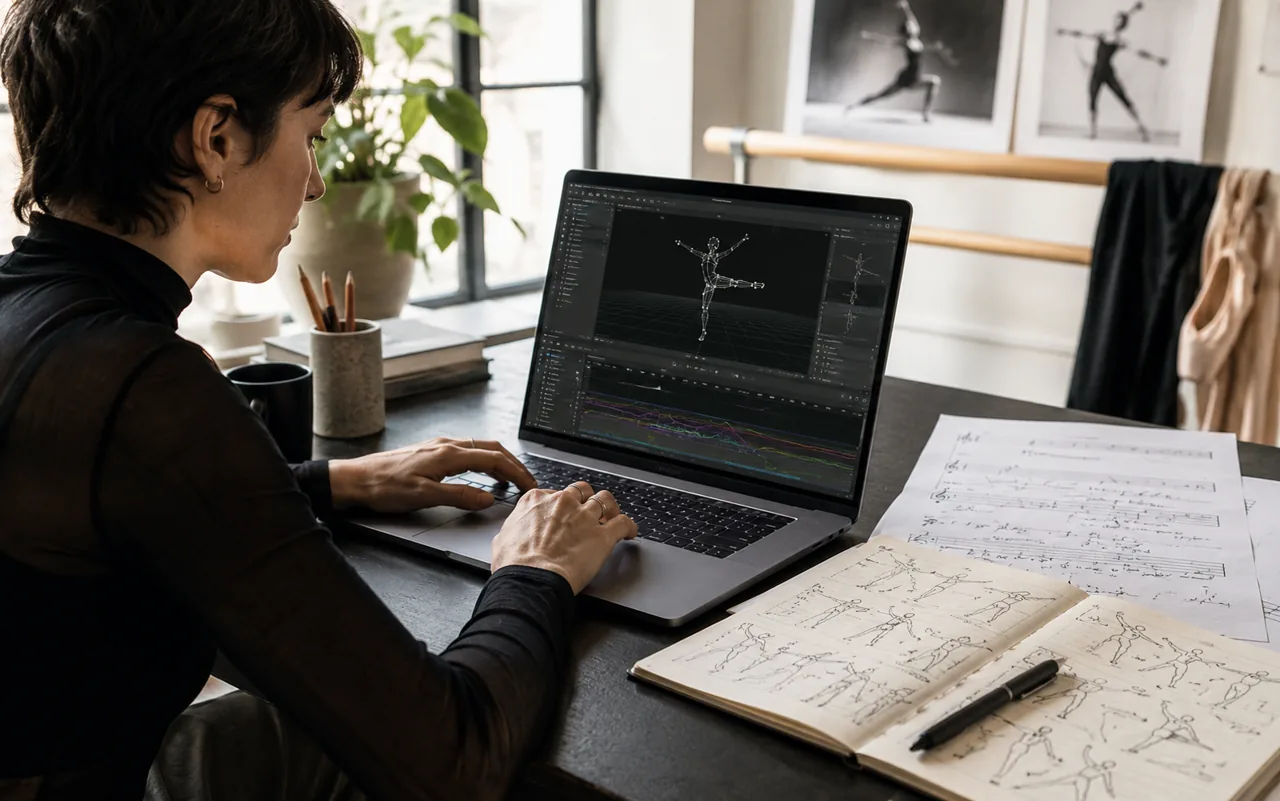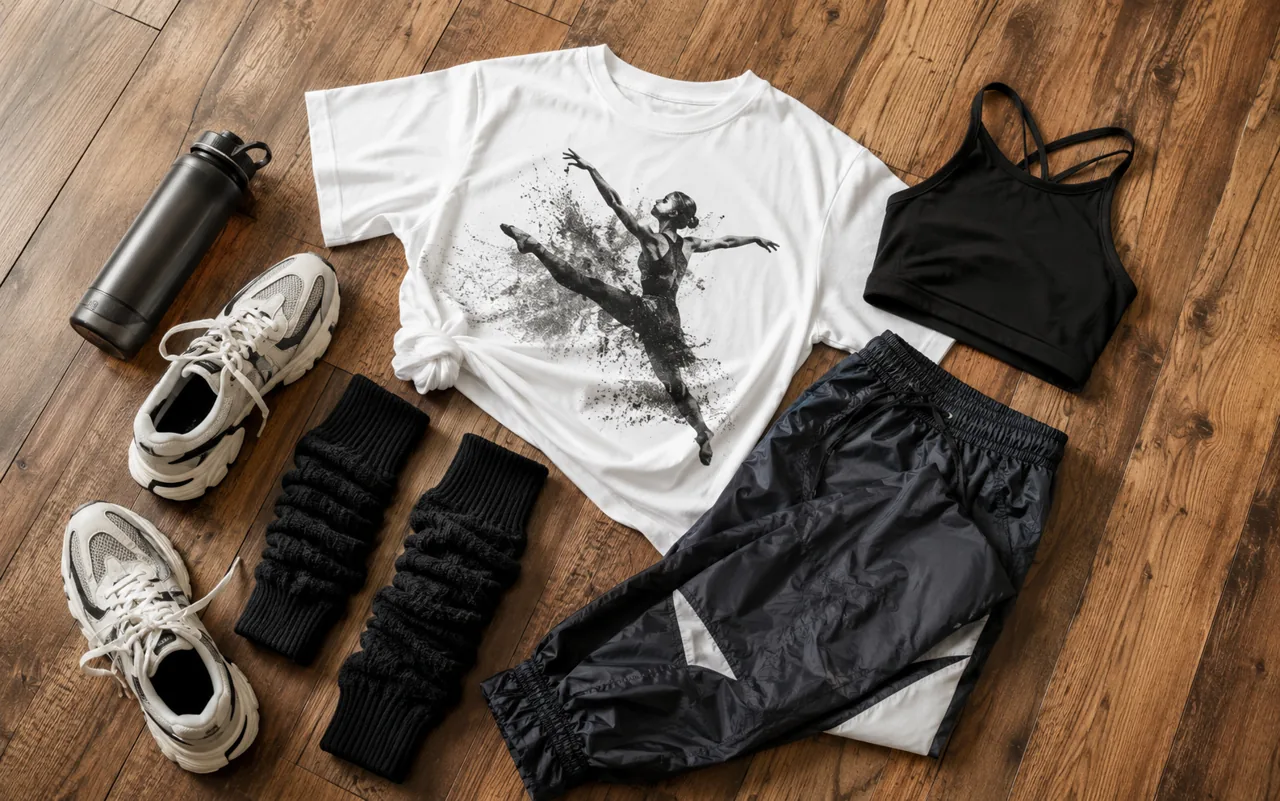
Walk into any dance studio and you will see fashion in its most functional form. Leotards that allow full range of motion, leg warmers that keep muscles warm between exercises, trainers chosen for grip and flexibility rather than brand appeal. But dance culture's relationship with fashion extends far beyond the studio. It spills out into streetwear, high fashion, and the everyday choices people make about what to put on their bodies.
From Studio to Street
The influence of dance on mainstream fashion is well documented. Ballet gave us the wrap top and the flat pump. Hip-hop gave us oversized silhouettes and statement trainers. Ballroom culture, as explored in the documentary Paris Is Burning, gave us voguing and the entire concept of "serving looks." Each dance form carries its own aesthetic language, and designers have been borrowing from that language for decades.
What is less often discussed is the reverse influence: how broader cultural fashion trends shape what dancers wear. The athleisure boom of the 2010s blurred the line between workout clothes and everyday wear so thoroughly that many dancers now rehearse in the same clothes they wear to the shops. Technical fabrics designed for yoga and running have migrated into the dance studio, replacing the cotton and lycra that dominated for years.
Identity and What We Wear to Move
For dancers, clothing is never just practical. It is a statement of identity, a way of signalling which tradition you belong to, which values you hold, which communities you move through. A contemporary dancer in loose-fitting layers communicates something very different from a ballet dancer in a pristine leotard, even before either of them begins to move.
This extends to the growing world of dance merchandise and wearable culture. Dancers and choreographers are increasingly creating clothing lines and branded merchandise that allow fans and practitioners to carry their identity beyond the studio. The graphic tee, in particular, has become a canvas for creative expression in movement communities. You will see shirts printed with anatomical illustrations, rhythm patterns, and witty references to rehearsal life. Some of the most interesting examples come from unexpected crossovers. There is a math tee range that actually makes equations look cool, and dancers who study the mathematics of movement patterns have adopted them with genuine enthusiasm.
Costume as Choreographic Tool
On stage, costume design is inseparable from choreography. What a dancer wears changes how they move and how the audience perceives that movement. A flowing skirt extends the line of a turn. A restrictive jacket creates tension and resistance. Nudity strips away all artifice and forces the audience to confront the body itself.
The best costume designers work in close collaboration with choreographers, understanding that their job is not to decorate the dancer but to amplify the movement. A well-designed costume can make a good piece of choreography extraordinary. A poorly designed one can undermine even the most brilliant dancing.
The Future of Dance Fashion
As sustainability becomes a more pressing concern across the fashion industry, dance is beginning to grapple with its own environmental footprint. The tradition of buying new costumes for every production is being questioned, with some companies choosing to upcycle, reuse, and commission costumes from sustainable materials.
At the same time, advances in textile technology are opening up new possibilities. Fabrics that change colour with body heat, materials that respond to movement by shifting shape, garments embedded with sensors that translate physical data into visual effects: these are no longer science fiction but active areas of research and experimentation.
Dance has always been about the relationship between body and what covers it. As that relationship continues to evolve, the conversation between dance culture and fashion will only grow richer and more surprising.