Contemporary dance has never been static. By its very nature, it resists definition, borrowing from ballet, hip-hop, martial arts, and everything in between. But in the last few years, the pace of change has accelerated dramatically, and the stage itself is being reimagined in ways that would have seemed impossible a decade ago.
Immersive Experiences Are Taking Over
The traditional proscenium arch, where dancers perform and audiences sit quietly in rows, is giving way to something far more participatory. Immersive dance experiences invite audiences to walk through the performance space, to be surrounded by movement, and sometimes even to become part of the choreography themselves.
Companies across Europe and North America are experimenting with site-specific work performed in warehouses, gardens, car parks, and derelict buildings. The environment becomes a character in the piece, shaping the movement vocabulary and challenging dancers to adapt to uneven floors, low ceilings, and unexpected acoustics. For audiences, the effect is visceral. You do not just watch the dance. You feel it in the space around you.
This shift is not merely aesthetic. It reflects a deeper hunger for connection in an era where so much of our cultural consumption happens through screens. People want to be present, physically and emotionally, and immersive dance delivers that in a way few other art forms can match.
The Rise of Interdisciplinary Collaboration
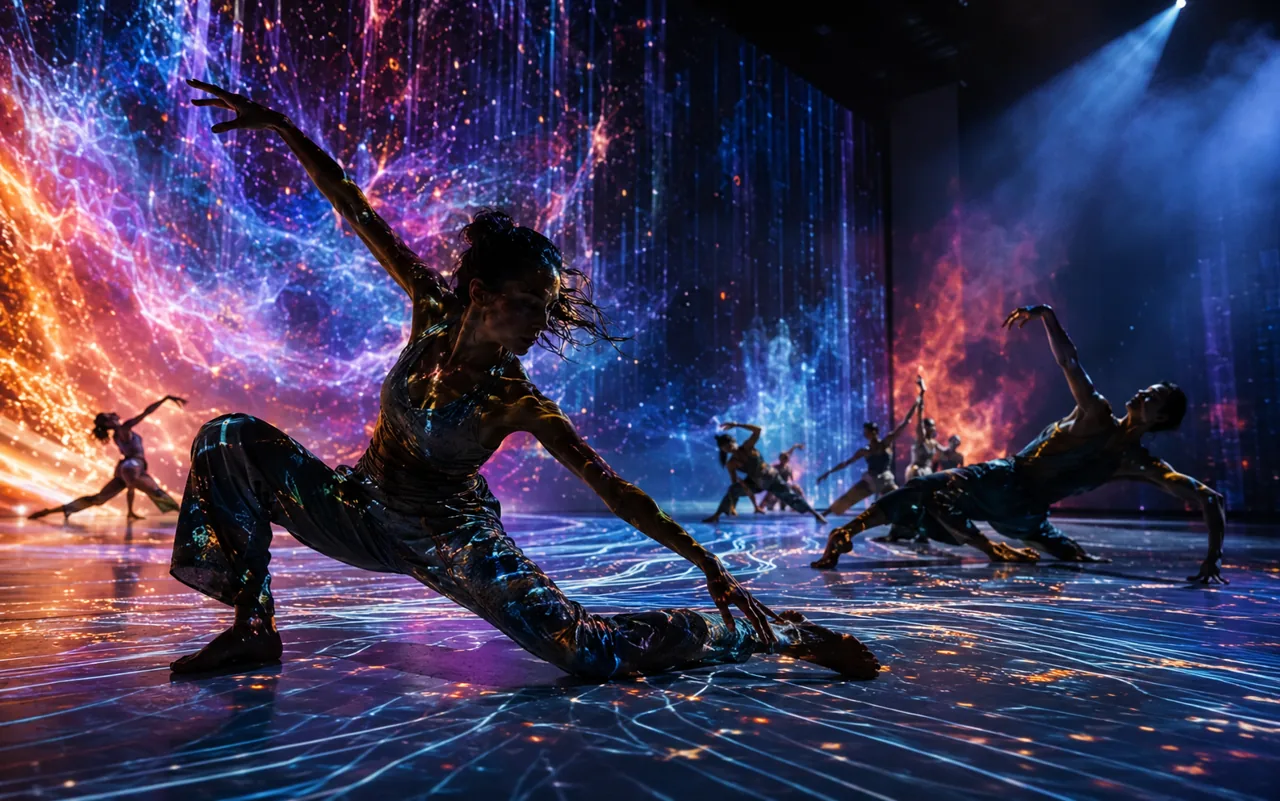
Choreographers are increasingly working alongside visual artists, musicians, architects, and even scientists. These collaborations are producing work that defies easy categorisation. A piece might combine live dance with projected animation, or pair a string quartet with a solo performer whose movements are tracked and translated into sound in real time.
This interdisciplinary approach is not new, of course. Merce Cunningham was collaborating with John Cage and Robert Rauschenberg decades ago. But the tools available today, from motion sensors to generative AI, have expanded the creative palette enormously. The result is work that feels genuinely new, even when it draws on traditions stretching back centuries.
Social Media as a Stage
Platforms like Instagram and TikTok have become legitimate spaces for dance. Short-form video has introduced millions of people to contemporary movement who might never have set foot in a theatre. Some choreographers have built entire careers on social media, creating work specifically designed for the vertical screen.
This democratisation has its critics. There are valid concerns about the flattening of complex choreography into bite-sized clips, and about the pressure on dancers to prioritise virality over artistic depth. But there is also something thrilling about a seventeen-year-old in a small town discovering contemporary dance through a thirty-second video and being moved to seek out more.
Looking Ahead
The trends shaping contemporary dance today all point in one direction: toward greater openness. Open to new audiences, new technologies, new bodies, and new ways of experiencing movement. The stage is no longer a fixed thing. It is wherever the dance happens to be, and that is perhaps the most exciting development of all.
What remains constant is the body at the centre of it all. No matter how much the frame changes, dance is still one human moving through space, asking us to pay attention. And when it works, when a performer finds that electric connection with an audience, nothing else in the world comes close.