Choreography is often romanticised. The popular image is of a solitary genius, struck by inspiration, leaping around a sunlit studio while a perfect piece materialises from thin air. The reality, as any working choreographer will tell you, is far messier, far more frustrating, and ultimately far more interesting.
Starting From Nothing
Every new work begins with a blank floor and a question. Sometimes that question is specific: how does grief move through the body? What does power look like when it is shared? Other times it is abstract, a texture, a colour, a rhythm that the choreographer cannot quite articulate but feels compelled to explore.
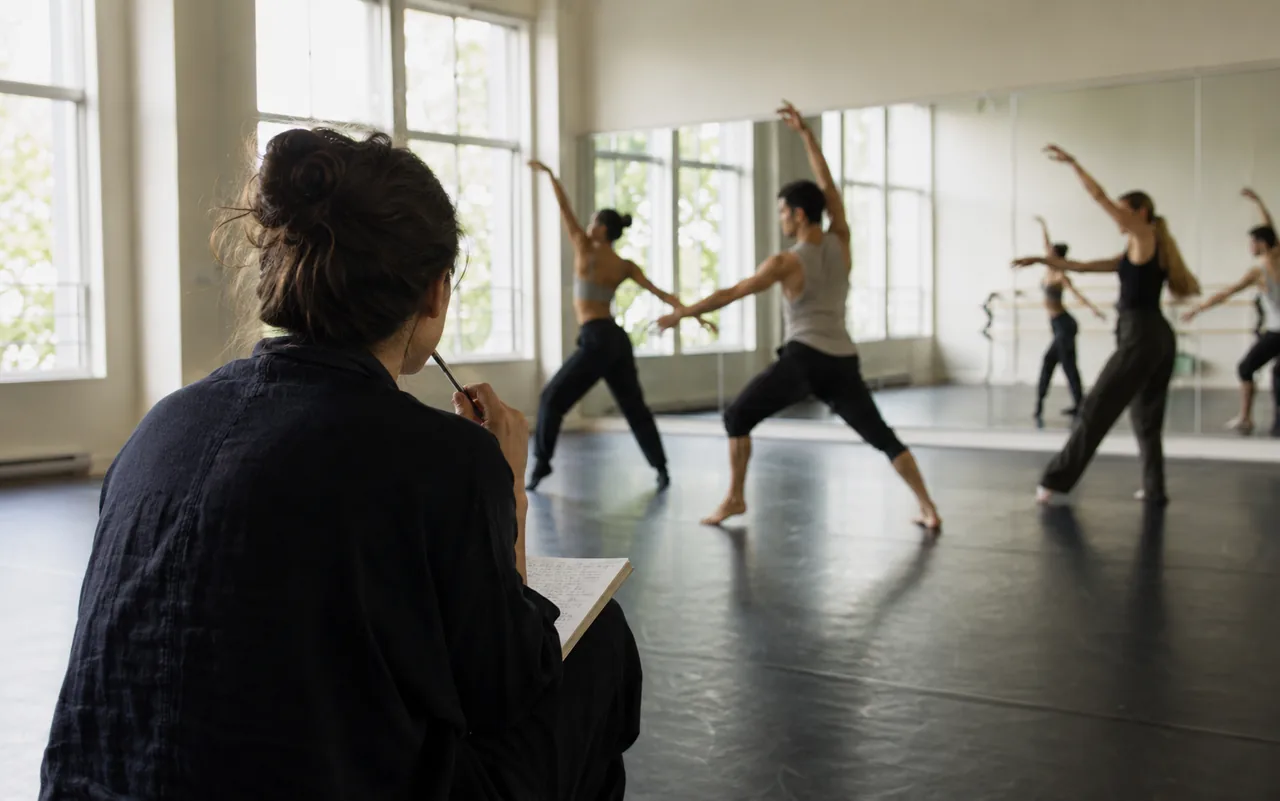
The early stages of creation are often the hardest. There is no map. The choreographer might spend hours improvising alone, filming themselves on a phone propped against a mirror, watching the footage back, keeping three seconds and discarding the rest. Or they might work with dancers from day one, setting tasks and problems for them to solve through movement, harvesting material from the responses.
This process of generation and editing is rarely linear. Ideas that seem promising on Monday feel stale by Wednesday. A phrase that works beautifully in isolation falls apart when placed next to another section. The studio floor becomes a laboratory, and failure is not just expected but essential.
Working With Dancers
The relationship between choreographer and dancer is one of the most complex in the performing arts. At its best, it is a genuine collaboration, with both parties contributing to the creative outcome. The choreographer brings the vision and the structure. The dancer brings their body, their training, their instincts, and their willingness to try things that might not work.
Good choreographers know how to read their dancers. They can sense when someone is holding back, when they are confused, when they are about to discover something extraordinary. They adjust their approach accordingly, sometimes demonstrating physically, sometimes using metaphor, sometimes simply stepping back and letting the dancer find their own way in. As Sadler's Wells has long championed through its programming, the most compelling dance emerges from this kind of trust between creator and performer.
Structure and Intuition
There is a tension at the heart of choreography between structure and spontaneity. A piece needs shape, arc, dynamics. It needs to build toward something and resolve in a way that feels satisfying. But too much planning can kill the life in the movement. The best choreographers find a balance, creating frameworks that allow for surprise.
Some use elaborate notation systems or detailed storyboards. Others work almost entirely by instinct, making decisions in the moment and trusting that the piece will find its own logic. Most fall somewhere in between, oscillating between careful planning and wild improvisation, sometimes within a single rehearsal.
The Final Stages
As a performance date approaches, the work shifts from creation to refinement. This is where the details matter: the exact angle of a hand, the precise moment a dancer turns their gaze, the subtle shift in energy between one section and the next. These small choices are what separate competent choreography from work that truly moves an audience.
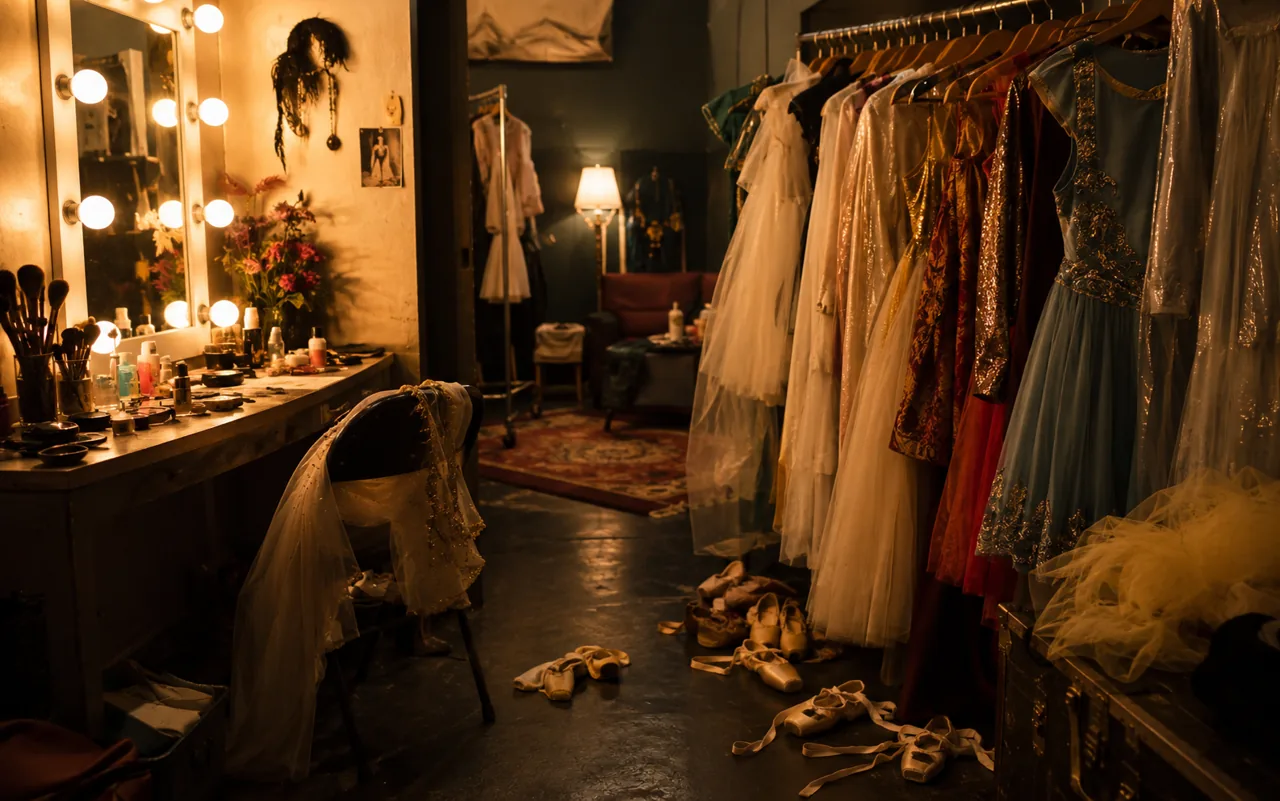
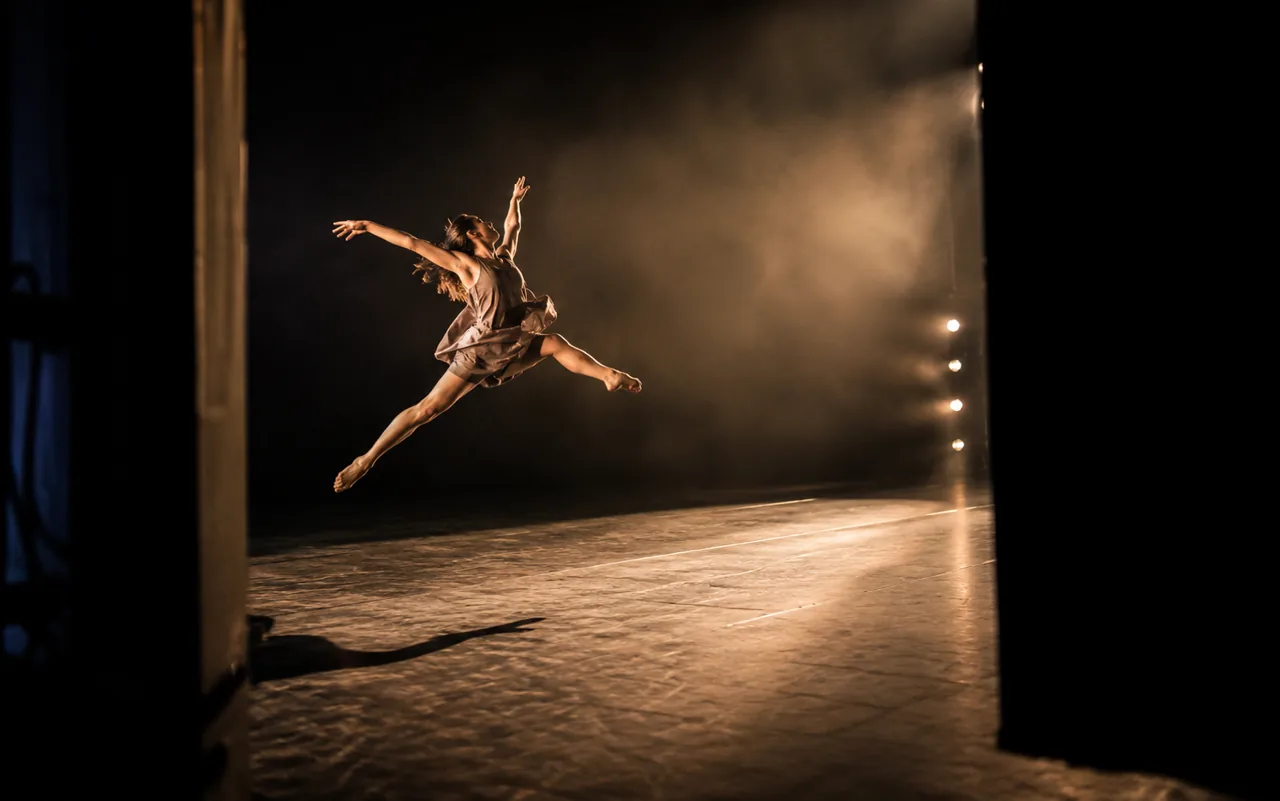
Lighting, costume, and sound design are integrated, and the piece transforms again. Elements that seemed finished in the studio take on new meaning under stage lights. The choreographer makes final adjustments, often right up until the last rehearsal, and sometimes beyond.
And then, at some point, they have to let go. The piece belongs to the dancers now, and to the audience. Whatever happens next is beyond the choreographer's control. That, perhaps, is the most terrifying and exhilarating part of the entire process.